
I started out looking into classic lighting shaders out of curiosity, I wanted to understand how different models handle light and how they affect the look of materials. I started with the basics and worked my way up, testing each approach and seeing how they compare.
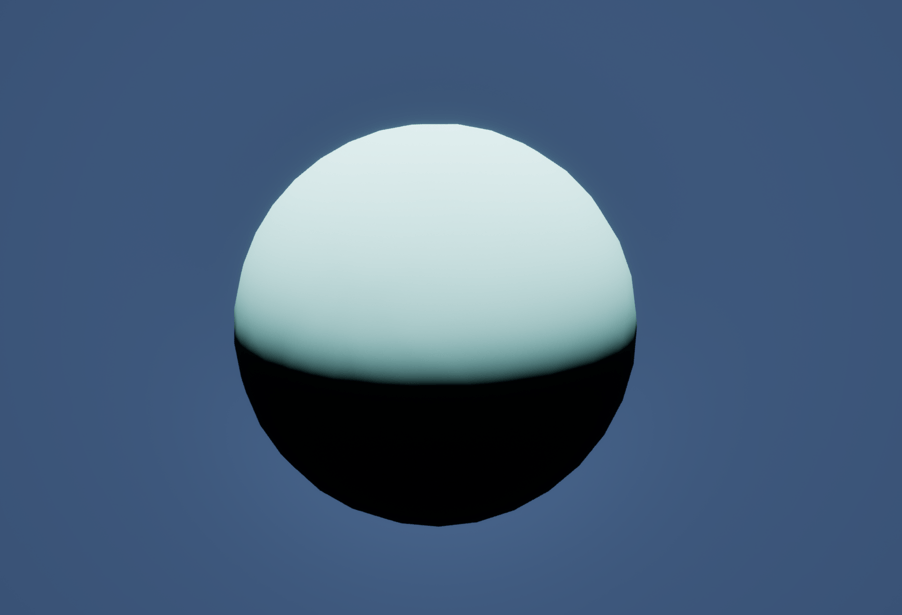
- Lambert Shading – Basic Diffuse Lighting
- What I Did: I started with Lambertian reflection, which evenly distributes light across a surface. It’s based on a simple dot product between the normal and light direction.
- What I Found: It’s great for matte surfaces, but it feels a bit flat—no shine, no texture variation beyond the base color.
- Blinn-Phong Shading – Adding Specular Highlights
- What I Did: I added specular highlights using the halfway vector approach. This allows shiny surfaces to reflect light without needing expensive reflection calculations.
- What I Found: It worked well for metal, plastic, and polished surfaces, but it’s not great at handling rough or soft materials—highlights still look too perfect.

- Lambert Wrap – Softening Light Transitions
- What I Did: I modified the standard Lambert model by introducing a LightSpread factor, letting light “wrap” around objects more than usual.
- What I Found: It gave me softer shading, which is great for cartoon styles, organic materials, or skin, but it doesn’t work well for hard, well-defined shadows.

- Oren-Nayar Shading – Realistic Rough Surfaces
- What I Did: I dove into rough surface shading by modifying Lambert with microfacet-based scattering. This model accounts for tiny bumps on a surface that scatter light in different directions.
- What I Found: It looks much more natural for materials like cloth, unpolished stone, or skin—anything with a rough texture. However, it’s more expensive to compute than simpler shading models.

What I Learned
- Lambert is super simple, but it doesn’t add much depth.
- Blinn-Phong is great for shiny materials, but rough surfaces need something better.
- Lambert Wrap makes shading softer, perfect for stylized art.
- Oren-Nayar creates realistic roughness, making materials feel more believable.
- Ambient Light is crucial to prevent unnatural pitch-black shadows.


 Sam Brimlow
Leave a comment